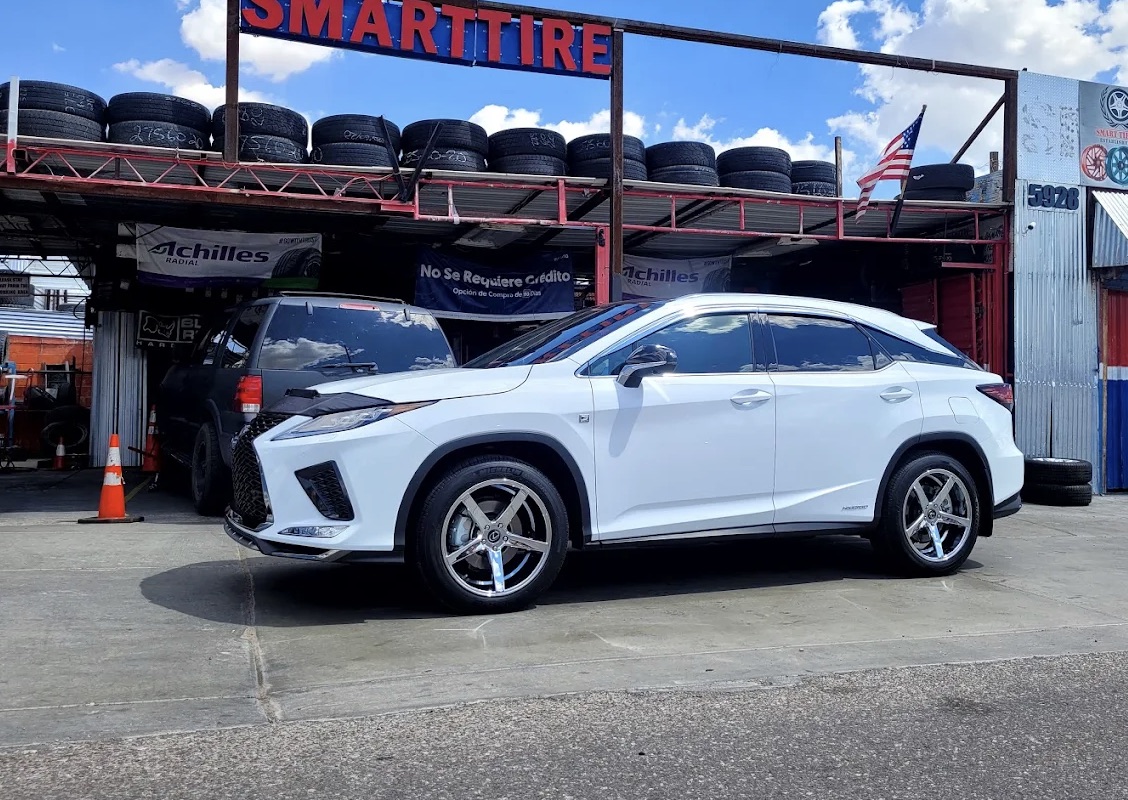
El Paso desert heat is one of the harshest environments a tire can live in. Sustained 100°+ days, blistering asphalt, and relentless UV bake the rubber, raise internal pressure, and speed up dry rot. At Smart Tire on Dyer St we see heat-killed tires all summer — here is how the desert wears them out and what you can do to stay safe.
What heat actually does to your rubber
Tires are a mix of rubber, fabric, and steel bonded together. High heat and constant UV break down the oils that keep the rubber flexible. Over time the compound hardens, shrinks, and cracks — a process called dry rot. In a cooler climate this can take a decade. In the Chihuahuan Desert, it can start in as little as three to five years.
Heat also raises the air pressure inside the tire. A tire set to spec in a cool garage can climb well above its safe range after an hour on scorching I-10 pavement. That extra pressure, plus flexing sidewalls, is what turns a small weakness into a highway blowout.
Pressure checks: your cheapest safety habit
Correct pressure is the single best thing you can do for tire life in El Paso. Underinflated tires flex more, build more heat, and wear out the shoulders. Overinflated tires ride hard and wear the center.
Do this:
- Check pressure cold — in the morning before you drive, not after a hot trip.
- Inflate to the number on your door-jamb sticker, not the max on the sidewall.
- Check at least once a month and before any road trip to Las Cruces, Alamogordo, or beyond.
- Don't forget the spare — desert heat kills those too, sitting unused.
Not sure what your tires should read? Text us your year, make, and model and we'll tell you the right pressure — see our guide on what tire size you need.
Warning signs of UV and dry-rot damage
Walk around your car in good light and look closely at each tire. Come see us if you spot any of these:
- Fine cracks in the sidewall or between the tread blocks
- A faded, grayish, chalky look instead of deep black
- Brittle or hard rubber that no longer flexes
- Bulges, blisters, or uneven bald patches
When it's time to replace
Tread depth matters, but in El Paso age matters just as much. Even with plenty of tread, rubber that's baked for six-plus years can be unsafe. We can read the DOT date stamped on your sidewall and give you a straight answer. If it's time, we'll set you up with new tires or budget-friendly, inspected used tires — and get you rolling fast with professional mounting and balancing.
Free tire check before summer bites
Swing by 5928 Dyer St, El Paso and we'll look over your tires — pressure, tread, and dry rot. Walk-ins welcome, most jobs under an hour. No credit? No problem — apply in minutes.
FAQ
How often should I check tire pressure in El Paso?
Check at least once a month and before long drives, ideally in the morning when tires are cool. El Paso heat swings pressure a lot between day and night, so checking cold gives you the honest number to inflate to.
What is dry rot and how do I spot it?
Dry rot is cracking in the rubber caused by heat and UV exposure. Look for fine cracks in the sidewall or between tread blocks, a faded gray color, or brittle rubber. If you see cracking, come in and let us inspect it before it fails.
Do tires expire even with good tread?
Yes. Rubber ages from heat and sun even if the tread looks fine. In El Paso's climate, many drivers should replace tires around six years regardless of mileage. We can read the DOT date on your sidewall and tell you where you stand.
Does underinflation cause blowouts in summer?
Underinflated tires flex and build extra heat, and El Paso pavement is already scorching in July. That combination is a leading cause of summer blowouts on I-10 and Loop 375. Correct pressure is the cheapest blowout insurance you can buy.